- Online Attendance
- Online Payslips
- Join Unitus
- Course catalogue
- First cycle degree
- Communication, Technologies and Digital Culture
- Seed Production and Nursery Management
- Gastronomic and Welness Sciences, Culture and Politics
- Human Sciences
- Heritage Studies
- Modern Languages and Cultures
- Technologies for the sustainable management of livestock systems (LP-02_Livestock sector)
- Food and Wine Technology
- Scienze Naturali e Ambientali
- Sustainable management of forests and green spaces
- Economics of Innovation
- Biotechnologies
- Biological Sciences
- Design
- Landscape, Environmental Planning and Design
- Technologies for Green Buildings
- Industrial Engineering
- Business Economics
- Sport, Wellness, and Exercise in Natural Environments
- Agriculture and Environmental Sciences
- Environmental Biological Sciences
- Mountain Sciences
- Forestry and Environmental Sciences
- Natural and Environmental Sciences
- Political Science and International Relations
- Educational Sciences
- Educational Offer for Public Administration
- Second cycle degree
- Digital Information
- Economia Aziendale
- Circular Economy
- Digital Management of Agriculture and Mountain Areas LM69
- Digital Management of Agriculture and Mountain Areas LM73
- Management, Finance and Controlling
- Marketing and Quality
- Political Science, International Security Studies and Public Communication
- Mechanical Engineering
- Landscape Architecture
- Management of Gastronomic Sciences for Well-being
- Marine Biology and Ecology
- Experimental Biology and Bioinfomatics
- Agricultural and Environmental Sciences – MS
- Industrial Biotechnology for health and well-being
- Food Science and Human Nutrition
- Plant biotechnology for food and global health
- Conservation and Restoration of the Environment and Forest
- Forestry and Environmental Sciences
- Food Science and Technology
- Archaeology and Art History: Preservation and Enhancement
- Archaeology and Art History: Preservation and Enhancement LM89
- Modern Philology
- Languages and Cultures for International Communication
- Security and Human Rights
- Economics and Communication for Management and Innovation
- Single cycle degree
- First cycle degree
- University
- Our history
- Unitus Academy
- Professors
- University Organs
- Rector and Delegates
- Academic Senate
- Board of Directors
- Evaluation Unit
- University Quality Committee
- General Director
- The University Scientific Research Commission
- The Board of Auditors
- Comitato Unico di Garanzia
- Collegio di Disciplina
- Commissione Etica
- Student Consultative Committee
- University Sports Committee
- Student Representatives
- Establishment of University Organs - Elections
- Strategic Management Planning Documents
- The University Quality Assurance System
- Facilities and Services
- Locations and Campuses
- Services and Offices
- Information Technology and Telecommunications Service
- Rettore
- Legal Affairs and Negotiation Procedures Service
- General director
- Management Planning and Control Service
- Technical and Environmental Management Service
- Technical Service, Assets, Facilities, and Services
- Service for Employee Financial Benefits
- Human Resources Service
- Research, Technology Transfer, and Relations with Institution
- Accounting and Treasury Service
- Educational Offer and Student Services
- The University Integrated Centre - Cia
- Central Administration Organigram
- University Regulation
- Staff
- Atheneum Welfare
- Permessi
- Conventions
- Staff - Annual Cost
- Organizational Wellness
- Bandi di concorso e procedure selettive - Personale Tecnico-Amministrativo
- Registry Consultants and Employees
- Telelavoro
- Online Attendance - Circulars and Forms
- Training for Technical-Administrative Staff
- Trade Unions
- Servizi di Rete - VPN
- University Notice Board - Announcements
- Calls for Teachers
- External collaborations
- External Collaborations - CIA
- External Collaborations - Azienda Agraria
- CSALP External Collaborations
- CIRDER External Collaborations
- CINTEST External Collaborations
- CGA External Collaborations
- DAFNE External Collaborations
- DEB External Collaborations
- DEIM External collaborations
- DIBAF External collaborations
- DISUCOM External Collaborations
- DISTU External collaborations
- Calls for Scholarships
- Calls for PhDs
- Bandi Assegni di Ricerca
- Tenders for External Assignments
- Internal Assignments - Collaboration Requests
- Announcements for Technical-Administrative Staff Positions
- External Mobility - Notices from other Universities
- Official University Register - Regulatory Acts
- Albo Ufficiale d'Ateneo - RSU Elections
- International Ranking
- Cooperations
- Contacts and Certified e-mail
- Visual Identity
- Privacy
- Contact Directory
- Legal Notice
- Academics
- Academic Calendar
- Lessons timetable
- Recovering the Additional Formative Obligations (OFA)
- Services for students
- Student Associations
- Wi-fi
- Accommodation
- APP Studenti Unitus
- Calls for Students and Graduates
- Psychological Counselor
- LazioDISCO
- Student House and Canteen
- University Sports Center C.U.S.
- Unitus Email
- Tutoring Grants
- Supporto e Inclusione
- Student Advocate
- Certifications and Self-certifications
- Anti-Violence Center
- Urban gardens
- Insurance coverage
- Office 365
- GOMP Portal
- Changing course of study within the University
- Changing course of study within the University
- Didactic Laboratories
- Elective Learning Activities (AFS) Regulations
- Guide to Compiling Your Study Plan
- Moodle
- Student Portal
- Change of Study Program
- Suspend Academic Career
- Get Back to Studying
- Fees and contributions
- Forms
- Recognized Language Certifications
- Enrolment in subsequent years
- Part-time Students
- Internships
- Final Exam
- Placement
- Research
- Research and Innovation
- Research opportunities
- Servizi per il Personale di Ricerca
- Progetti di Ricerca
- PERCIVAL
- Progetto LIMONE
- EUROlakes Project
- TRUST Project
- Advanced analytical
- DISTINCT
- SPICE
- BIOTE(A)CH
- HARNESSTOM
- PRISMA4AFRICA
- BIOACTAM
- GREAT
- CASTANEOTURISMO
- IMPEACHMENT
- FILAGRU
- MASTER NUT
- LazioTom
- NEUTRALISE
- MULTIFRU
- PanWheatGrain
- TORBOCIP
- RECIPE
- SEMINARI IN TECNICHE APISTICHE
- RESYST
- ANCoSIC
- ROOTOLEA
- GRAEEN
- SO-LIVE
- INGECA
- TEHRA
- EnPiVeg
- NBFC
- ATENA
- MICROBIALIENI
- CIN-EAT
- CIRCE
- CON.LE.VIT
- CRITERIA
- CONSERVA
- INNOSHEEP
- MO-RES
- PCDBIO
- SheepMeat
- RECREO
- TETHYS PLUS
- Compact Tractor 4.0
- SUS-RISK
- OldButGold
- AGRITECH
- INTEGRI
- Modelli innovativi per applicazioni di scienze omiche avanzate
- MEDWHEALTH
- MILKEVIA
- TecBufala
- Progetto HARNESSTOM
- SMARTIES
- IMPRESA
- SOSVitEno
- EXPLOWHEAT
- BIOACT
- StarBirVino
- FERTI & GROW ACADEMY project
- WINERYFARMIN4.0
- GREENHORT
- GEOSCIENCES-IR
- SISSA3EFG
- CON.API.VIT
- EMERSCUT-CAR
- FORVECARDO
- OLIVIA
- SonninoNutraOil
- EyeLand
- TarHegh
- SUNRISE
- PROGNOSES
- Progetto MOSSA
- Progetto ORTE_CHOKE
- Progetto STABIRVINO
- Progetto ECOSUN
- Progetto EVER
- Progetto MAGNETOAGRI
- Progetto RE-WASTE
- Progetto RIVALSA
- Progetto RAISE
- Progetto CELO
- Progetto LEG-GER
- Progetto NANOPEPTOBAT
- Progetto MICOVIT
- Progetto BIOCHAR LATIUM
- Progetto TANA
- Progetto TECBUFALA
- Progetto BIOEDILCARBON
- Progetto MULTIFRU
- Progetto LAV.REG.LA
- Progetto OLIVIA
- Progetto PICUS
- Progetto AGARIC
- Progetto BIOPLAST
- Progetto CABIOED
- Progetto CINEAT
- Progetto EMESCCUT
- Progetto FELICEBIOTEVERE
- Progetto FORVECARDO
- Progetto GECORESP
- Progetto GRANLDEA TUSCIA
- Progetto INNONUTS
- Progetto INOSHEEP
- Progetto INVITENNET
- Progetto PCDBIO
- Progetto RUEWO
- Progetto SOLANUM 4G
- Progetto SOS VITENO
- VOISIN
- Progetto ZUCCHINO LASER
- Progetto SINBIO
- Progetto PARADISE
- Progetto GRANO GREEN
- Progetto ENVIOT
- Progetto: “RE.LA.C.S.”
- Progetto ALPHEUS
- Progetto CCVS
- Progetto CERESIS
- Progetto DIVERFARMING
- Progetto ENVRI-FAIR
- Progetto ECOBREED
- Progetto INNOVAFRICA
- Progetto INNOVAR
- Progetto LOWINFOOD
- Progetto RESEARCH
- Progetto PROTECTA
- Progetto STABLE
- Progetto SURE-FARM
- Progetto FOLIAGE
- Progetto MYSOIL
- Progetto SAMFIX
- Progetto SEEDFORCE
- Progetto SEAFOREST
- WINEgROVER
- Progetto Giustizia AGILE
- Patents
- Procedimento e dispositivo per rilevare condizioni di marcia durante la marcia
- Purovino
- Chitinolytic enzymes production by Penicillium janthinellus
- Disidratatore dinamico per ortofrutticoli basato su tecnologia IoT
- Sun Black™
- Varietà di carciofo (Cynara scolymus L.) denominate Donatello
- Italian Red Passion
- Varietà di carciofo (Cynara scolymus L.) denominate Raffaello
- Solenero
- Spin-Off
- Pubblicazioni Open Archive
- Talent Valorization and Attraction
- Call for Research Grants – SeedTalent
- Call for Expression of Interest (EOI) 2022
- Unitus Talent
- Call for visting scholars & professors
- Direct Call of Associate and Full Professor
- ERC Starting Grantees
- ERC Consolidator Grantees
- ERC Advanced Grantees
- Marie Sklodowska-Curie Actions
- Rita Levi Montalcini Grantees
- Distinguished Chiara Fama
- Expression of interest
- VQR - Research Quality Evaluation
- Department of Excellence
- Third Mission
- Post-graduation
- PhD opportunities
- Ongoing PhD Programs
- European and global markets law. Crisis, rights, regulation
- Economics, Management, and Quantitative Methods
- Engineering for Energy and Environment
- Ecology and sustainable management of environmental resources
- Science, technology and biotechnology for sustainability
- Plant and animal sciences
- History and cultural heritage
- Society in change: policies, rights and security
- Phd Admission
- PhD Regulations
- Doctoral Diplomas
- PhD International Mobility
- Forms for Doctoral Student Activities
- Doctoral Scholarships
- Budget for PhD Students research activities
- Periods of study and research stay
- Scholarship increase for stays abroad
- Ongoing PhD Programs
- Master's Degrees
- Unitus for Teaching
- Research Fellowship
- Postgraduate Scholarships
- Licensing of Professions
- Postgraduate Schools
- Advanced Training Courses
- Postgraduate Regulations
- PhD opportunities
- Departments
- DAFNE
- Information
- Quality Assurance
- Academics
- Education Offer
- How to enrol for degree courses
- Bachelor's degree and Master's degree DAFNE
- Class Calendar
- Exams and Graduate Theses
- Awards and Scholarships
- Master's Degrees - Pre-enrolment Application and Calendar of Interviews
- Tutoring Service
- Additional Educational Requirements
- Educational Workshops
- Curricular Internships and Other Choice Activities
- Research
- Social Impact
- International
- Orientation
- DEIM
- DEB
- DIBAF
- DIKE
- DISTU
- DISUCOM
- DAFNE
- International
- Profile
- Amministrazione Trasparente
- General Provisions
- Organizzazione
- Consulenti e collaboratori
- Personale
- Titoli di incarichi dirigenziali amministrativi di vertice
- Titoli di incarichi dirigenziali (dirigenti non generali)
- Dirigenti cessati
- Sanzioni per mancata comunicazione dei dati
- Posizioni organizzative
- Dotazione organica
- Personale non a tempo indeterminato
- Tassi di assenza
- Incarichi conferiti e autorizzati ai dipendenti (dirigenti e non dirigenti)
- Contrattazione collettiva
- Contrattazione integrativa
- Bandi di concorso
- Personale
- Performance
- Enti Controllati
- Attività e procedimenti
- Provvedimenti
- Bandi di gara e contratti
- Atti delle amministrazioni aggiudicatrici e degli enti aggiudicatari distintamente per ogni procedura
- Avviso sui risultati della procedura di affidamento diretto
- Avvisi relativi agli esiti delle procedure
- Trasparenza nella partecipazione di portatori di interessi e dibattito pubblico
- Procedure negoziate afferenti agli investimenti pubblici
- Verbali delle commissioni di gara
- Collegi consultivi tecnici
- Pari opportunità ed inclusione lavorativa nei contratti pubblici
- Fase esecutiva
- Concessioni e partenariato pubblico privato
- Affidamenti diretti di lavori, servizi e forniture di somma urgenza
- Affidamenti in house
- Elenchi di operatori economici riconosciuti e certificazioni
- Progetti di investimento pubblico
- Avvisi di preinformazione
- Delibera a contrarre
- Avvisi e Bandi
- Avvisi sui risultati della procedura di affidamento
- Avvisi sistema di qualificazione
- Affidamenti per somma urgenza
- Ulteriori informazioni
- Provvedimenti di esclusione e di ammissione
- Contratti
- Resoconti della gestione finanziaria dei contratti al termine dell'esecuzione
- Informazioni sulle singole procedure
- Informazioni sulle singole procedure in formato tabellare
- Polizze assicurative
- Atti delle amministrazioni aggiudicatrici e degli enti aggiudicatari distintamente per ogni procedura
- Sovvenzioni, contributi, sussidi, vantaggi economici
- Bilanci
- Beni immobili e gestione patrimonio
- Controlli e rilievi sull'amministrazione
- Servizi Erogati
- Pagamenti dell'amministrazione
- Opere pubbliche
- Pianificazione e governo del territorio
- Informazioni ambientali
- Strutture sanitarie private accreditate
- Interventi straordinari e di emergenza
- <a href="https://www.unitus.it/ricerca/progetti-pnrr/">Risultati PNRR</a>
- Altri contenuti
- Prevenzione della Corruzione
- Responsabile della prevenzione della corruzione e della trasparenza
- Regolamenti per la prevenzione e la repressione della corruzione e illegalità
- Relazione Responsabile della prevenzione della corruzione e della trasparenza
- Provvedimenti adottati dall'A.N.AC. ed atti di adeguamento a tali provvedimenti
- Atti di accertamento delle violazioni
- Segnalazioni di illecito – Whistleblowing
- Accesso civico
- Accessibilità e Catalogo di dati, metadati e banche dati
- Dati ulteriori
- Prevenzione della Corruzione
Home Departments DEB Social impact Third Mission Projects DivulgAstici
- DAFNE
- Information
- Presentation
- Boards and Commissions
- Departmental Council
- Departmental Quality Assurance Structure
- Departmental Board
- Joint Teachers-Students Commission
- Research commission
- Commissione Didattica
- Third Mission Commission
- CCS Agricultural and environmental sciences (L)
- Sustainable management of forest and green areas
- Study course council
- CCS Seed and Nursery Production
- CCS Technologies for Sustainable Management of Livestock Systems
- CoS Agricultural and Environmental Sciences (LM)
- Plant Biotechnology for Food and Global Health
- Conservation and restoration of environment and forest
- Minutes
- Regulations
- Professors
- Technical-administrative staff
- Contacts
- Call for tenders
- Services for students
- Classrooms, Study Halls, and Laboratories
- Forms
- Quality Assurance
- Academics
- Educational programmes
- How to enrol for degree courses
- Bachelor’s degree and Master’s degree DAFNE
- Class Calendar
- Exams and Graduate Theses
- Awards and Scholarships
- Master’s Degrees – Pre-enrolment Application and Calendar of Interviews
- Tutoring Service
- Additional Educational Requirements
- Educational Workshops
- Agroenergy Laboratory
- Clinical Biochemistry and Immunology Lab
- Laboratorio di BIOCHIMICA (interdipartimentale)
- Biology Laboratory – Interdepartmental
- Chemistry Laboratory – Interdepartmental
- Laboratorio di MICROSCOPIA (interdipartimentale)
- CAD and Geomatics Lab
- Sensory Analysis Laboratory
- Educational Collections Laboratory
- Laboratorio di Biologia Molecolare per l’Entomologia
- Plant Genetic Resources Laboratory
- Forest Nursery and Biodiversity Conservation Laboratory
- Laboratorio di Utilizzazioni Forestali
- Sedimentology and Hydrogeology Laboratory
- Laboratorio di Microscopia
- Agricultural Mechanics Laboratory
- Laboratorio di Genetica e Miglioramento Genetico Vegetale
- Entomological Video and Macrophotography Laboratory
- Plant Physiology and Biotechnology Laboratory
- Laboratory of Ergonomics and Occupational Safety
- Laboratory of Entomology, Biological and Integrated Pest Control, and Molecular Biology for Entomology
- Laboratory for the Study of Auchenorhinchus and their Natural Enemies
- Laboratory of di Forest Ecological Genetics
- Laboratorio di Ecofisiologia Molecolare e Biotecnologie delle Piante Arboree
- Tree-Ring Laboratory
- Laboratorio di Chimica Organica e delle Sostanze Naturali
- Hydrology and Hydraulics Calculation Lab – MECHYDROLAB
- Laboratorio di Ortofloricoltura
- Laboratory of Biotechnologies of Vegetable Crops
- Laboratorio di Biologia Molecolare per la Batteriologia Fitopatologica
- Pharmaceutical Biology and Biotechnology Laboratory
- Laboratorio di Scienza e Tecnologie del Legno
- Plant Biotechnology Laboratory: In Vitro Tissue Cultures
- Laboratory of Biochemistry and Physiology of Cultivated Plants
- Soil Microbiology Laboratory
- Soil Physics Laboratory
- Observatory for the Study and Management of Wildlife Resources
- Plant Cytogenetics and Genomics Laboratory
- Laboratory of Genetics and Biochemistry of Plant Proteins
- Laboratory of Molecular Analysis and Genetic Transformation
- Greenhouses for vegetable-floriculture crops and nursery
- Geobotany Lab
- Plant Pathology Laboratory
- Laboratory of Nutritional Analysis and Research of Contaminants in Feedstuffs and Products of Animal Origin
- Laboratory for the Analysis and Identification of Plant Parasites
- Laboratorio di Scienze Naturali – Rieti
- Laboratorio di Chimica – Rieti
- Microscopy Laboratory – Rieti
- Laboratorio di Biologia e del DNA Forestale – Rieti
- Athenaeum common laboratories and centers
- Curricular Internships and Other Choice Activities
- Research
- Research areas
- Research laboratories
- Laboratory of Vegetable Crops and Floriculture
- Laboratory of Plant Genetic Resources
- Laboratory of Organic Chemistry and Natural Products
- Laboratory of Fruit-Growing
- Forest Logging and Dendroenergetics Laboratory
- Agricultural and Forestry Economics and Policy Laboratory
- Laboratory of Data Analysis
- Laboratory for the environmental sustainability of livestock systems
- Laboratory of huMAN DRiven Ai teCHnologies for Environment – MANDRACHE
- Laboratory of Digital Technologies Applied to Agriculture
- Laboratory of Innovative Strategies for Insect Monitoring
- Laboratory of Nanotechnology for crop protection
- Lab. GEA-RES Lab – GEospatial Analysis and REmote Sensing Laboratory
- Wood Science and Technology Laboratory
- Beekeeping and Hive Products Laboratory (BeeLab)
- Laboratory for drying of samples
- Laboratory of agronomy and seed testing
- Laboratory for the analysis of samples and water-soil interactions
- Laboratorio di conservazione dei campioni
- Cellular and Molecular Biotechnology of Agricultural Crops Laboratory
- Food and Wine Biotechnology Laboratory
- DAFNE Seed Bank
- Laboratory of Rural Construction and Land Surveying
- Vegetable Biotechnology Laboratory: Molecular Ecophysiology of Woody Plants
- Forest Propagation Laboratory
- Equipment
- Research PhDs
- Research projects
- Research grants
- Social Impact
- International
- Orientation
- Information
- DEIM
- About
- Quality Assurance
- Study
- Research
- Groups and Research Centres
- Biocombustibili
- INDAM
- Macchine a fluido
- Osservatorio Nuovi Italiani
- Personalizzazione, istituzionalizzazione e deistituzionalizzazione
- Development and features of short food supply chains
- Industrial symbiosis and circular economy
- Sustainability of hazelnut crop management practices
- Tecnologia, Innovazione e Management della Qualità
- Tematiche di economia politica
- Diagnostica e Scienza dei Materiali
- Elettrotecnica
- Energie Rinnovabili
- Fisica Tecnica
- Ingegneria delle Acque
- Misure e Robotica Riabilitativa
- Progettazione meccanica
- Strumenti e metodi per l’ingegneria industriale
- Tecnologie e sistemi di lavorazione
- Termo-fluidodinamica
- Scienze Criminologiche e forensi, investigazioni e sicurezza
- Storia e Politica Internazionale
- Economia e politica della sicurezza alimentare e dei cambiamenti climatici
- I derivati finanziari OTC: impatto sulla finanza pubblica
- Le Adozioni di Bambini
- NOISE
- Laboratories
- PhD programs
- Research grants
- Research Projects
- Groups and Research Centres
- International
- Social impact
- Orientation
- DEB
- Information
- Presentation
- Organs and commissions
- Department Board
- Departmental Quality Assurance Structure
- Joint Faculty-Student Committee
- Advisory Board
- Degree Programme Board in Biology
- Degree Programme Board in Environmental Biology
- Degree Programme Board in Natural and Environmental Sciences
- Degree Programme Board in Food Science and Human Nutrition
- Minutes
- Regulations
- Professors
- TA Staff
- Contacts
- Calls for applications
- Services
- Classrooms, study rooms and laboratories
- Quality Assurance
- Didactics
- Research
- Social impact
- Third Mission
- Third Mission Projects
- Relations with schools
- Events and meetings
- DEB | 45 years of events…
- Visit to the Tirreno Power Plant in Torrevaldaliga Sud (Civitavecchia)
- OPEN DOORS AT THE MARINE EXPERIMENTAL ICHTHYOGENIC CENTER (CISMAR)
- THE ITALIAN MEDITERRANEAN DIET IN ECOLOGICAL TRANSITION: BETWEEN TRADITION AND INNOVATION
- Interview on “Radio Stella Città”
- THE WALKING DEB – FIRST EDITION
- THE WALKING DEB 2.0 – SECOND EDITION
- THE WALKING DEB 3.0 – THIRD EDITION
- FASCINATION OF PLANTS DAY – FIRST EDITION
- Collaborations with companies and istitutions
- Placement
- Monitoring of Third Mission activities
- International
- Orientation
- Information
- DIBAF
- Information
- Quality Assurance
- Teaching
- Research
- Groups and Research Centres
- PhDs
- Research grants
- Observatories
- Laboratorio di Analisi Biochimiche e Sensoristiche del Suolo
- Laboratorio di Analisi Chimico Agrarie
- Micrometeorology laboratory
- Laboratorio di Assestamento e Pianificazione Forestale
- Laboratorio di Chimica Analitica
- Laboratorio di Biotecnologie Animali
- Laboratorio di Chimica Fisica
- Laboratorio Chimica e Biochimica del Suolo
- Laboratorio di Biotecnologie Ambientali
- Laboratorio di Chimica e Biochimica delle Proteine
- Laboratorio di Chimica e Biochimica Postraccolta
- Laboratorio di Chimica Generale ed Inorganica
- Laboratorio di Citologia Vegetale e Biotecnologia delle Sostanze Naturali
- Laboratorio DNA Antico
- Laboratorio di Ecofisiologia Forestale & Fitotecnologie Ambientali
- Laboratorio di Fisiologia
- Laboratorio di Inventari Forestali e Sistemi Informativi
- Laboratorio di Ecologia Forestale
- Laboratorio di Bioinformatica, Genomica e Trascrittomica degli Animali Domestici
- Laboratorio di Microbiologia Agraria ed Ambientale
- Laboratorio di Microbiologia e Biotecnologie Ambientali
- Laboratorio di Microbiologia Generale e Applicata
- Laboratorio di Protezione delle piante
- Laboratorio di Zoologia
- Laboratorio di Zoologia Sistematica e Tassonomia
- Research Projects
- Gruppi e Centri di Ricerca DIBAF
- Social impact
- International
- Guidance for schools
- DIKE
- Info
- Presentation
- Organs and commissions
- Consiglio di dipartimento
- Agenda 2026
- Departmental Quality Assurance Structure
- Joint Faculty-Student Committee
- Advisory Board
- Degree Programme Board (CCS) Law – Security and Human Rights
- Degree Programme Board in Educational Sciences
- Degree Programme Board CCS Communication, Technologies and Digital Culture
- Degree Programme Board (CSS) in Digital Information
- Degree Programme Board (CSS) in Political Science, International Security Studies and Public Communication
- Minutes
- Competition Notices
- Classrooms and study rooms
- Regulations
- Professors
- TA Staff
- Contacts
- Calls for applications
- Services
- Didactics
- Research
- Social impact
- Orientation
- International
- Info
- DISTU
- Information
- Assicurazione qualità
- Didactics
- Educational Offer
- How to enroll in DISTU courses
- Thesis and graduation exam
- Scholarships and Awards
- Calendars
- Tutoring
- Additional Formative Obligations (OFA)
- Didactic Laboratories
- Photographic Laboratory
- Laboratorio di Traduzione e Analisi Testuale – MEDLAB
- Laboratorio di Rilievo Topografico e Fotogrammetrico per l’Analisi Stratigrafica
- Laboratorio di Hate Speech
- E-Lab “Equality in Theory and Action”
- Translation and Textual Analysis Workshop
- ADR Laboratory
- Laboratory for Introduction to Academic Writing
- Legal Workshop on Judgment Maximization
- Simulated Judgment and Legal Argumentation Laboratory – J-ARGO
- Assisted Written Italian Laboratories: LISA! e LISA+
- SLIM Laboratory: Multimedia Italian Semiotics and Linguistics
- Natural Language Processing Laboratory – NLP
- Curricular Internships and Other Elective Activities
- Modulistica
- Research
- DISTU research groups and centers
- DISTU PhDs
- Assegni di ricerca
- Research Laboratory
- Research Grants
- Gruppi e centri di ricerca
- Research Projects
- Participation and education to citizenship in the territory of Tuscia
- Collateral Effects and Sustainability of Criminal Law
- Metalinguistic texts as a privileged data source for the knowledge of ancient languages
- Amelia Project. International research project for the excavation of the necropolis.
- Belmonte project. Investigation and survey of the rock settlement of Belmonte
- Pietramara project. Archaeological excavation of the rock church and necropolis
- Project San Callisto District. Analysis of the territory close to the catacombs of San Callisto in the Appia Antica Park (Appia Antica Park – Rome)
- Sorrina Project. Survey and topographical surveys in the Etruscan center and then the Roman municipium of Sorrina (Viterbo, loc. Riello)
- Segesta Project. Topographic survey and archaeological excavation of the walls of Segesta (TP)
- Project Pausilypon. Excavation and architectural analysis and planning of the Palace of Emperor Augustus in Naples
- Bolsena Project. Archaeological investigations in the Roman municipium Volsinii/Bolsena
- Project Liternum. Archaeological investigations in the forum of the Roman colony of Liternum
- The rendering of intangible cultural heritage: for a Museum of the Italian language
- Project Erice. Archaeological investigations to the walls of Erice (TP) and the Norman castle/ temple of Venus Ericina
- Cornus Project. Excavation and Survey in the Sardinian-Punic and Roman city of Cornus (Cuglieri – OR)
- REMEDIAVI Project
- Peoples of the Middle Sea
- EF-Farnese Encyclopedia
- Center of Excellence on Integration of Migrants in Europe (IntoME)
- Geography and History of Italian Grammar (Geostogrammit)
- Defensive Burraucracy and Responsibility in the Italian Administrative System
- Pills of rights
- Towards an Anticipatory Governance System (TAGS)
- URAD – Research Unit on Authorship and Rights
- Progetto CELO: Conoscenza e Educazione per il contrasto al Linguaggio dell’Odio
- OpeRaNew. Proposal ID 892230
- Frances Burney
- Romantic Dramaturgy
- PRIN 2022 “Clearer Acts. VocAvv: The Lawyer’s words”
- Chinese Toponyms Database (CTD)
- Navigating Byzantine Italy
- English Literature
- The Gothic
- Teaching English Literature
- PRIN 2015 “New Approaches to Early Modern Thought: Forms, Characteristics”
- PRIN 2018 “The Clarity of Legal Proceedings (AttiChiari): A Novel Database for Scholars and Citizens”
- Social impact
- International
- Orientation
- DISUCOM
- Information
- Assicurazione Qualità
- Didactics
- Offerta Formativa
- Lauree Triennali e Lauree Magistrali
- DISUCOM Calendars
- Tesi ed Esame di Laurea Disucom
- Premi e Borse di Studio DISUCOM
- Tutorato
- OFA – Obblighi Formativi Aggiuntivi
- Laboratori Didattici
- Laboratorio di Fotografia digitale
- Laboratorio di Lingua Latina corso L1, L10, LM14
- Laboratorio di Paleografia pratica e Storia
- Laboratorio di scrittura argomentativa e digitale per recupero OFA L10
- Laboratorio di Strumenti e Tecnologie Informatiche L20
- Laboratorio Editoria Digitale e Digital Storytelling LM 14, LM91
- Laboratorio Radiofonico
- Laboratorio di Lingua Greca L1, L10, LM14
- Laboratorio di Scrittura Creativa e Lettura Interpretata L10, LM14
- Laboratorio Interpretazione del testo letterario LM14
- Laboratorio Social Media Management A.A. 2023/24
- Laboratorio sulla scrittura tecnico-scientifica
- Laboratorio LAI&GIS L1, L20, LM14, LM91
- Laboratorio sul viaggio L10, LM14
- Laboratorio Multimediale di Fiolologia e Critica del testo
- Tirocini Curriculari e altre Attività Formative
- CAF – Corsi di Alta Formazione
- Research
- Social Impact
- International
- Orientation
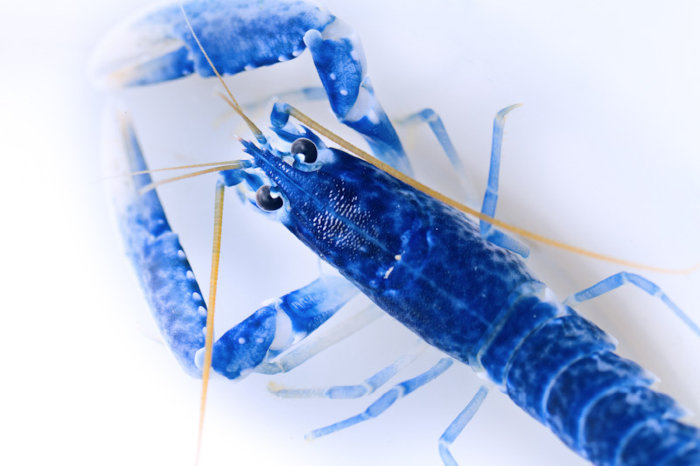
The Ichthyogenic Experimental Marine Centre (CISMAR) of the Department of Ecological and Biological Sciences (DEB), has been conducting European lobster repopulation efforts along the northern coast of Lazio for over ten years, releasing juveniles with genetic, ecological, and behavioral characteristics similar to those of wild specimens.
Repopulation programs can raise awareness about the importance of conserving marine resources among both fishermen and the general public. In the case of lobsters, repopulating with a valuable yet dwindling species has effectively demonstrated to a broad audience the connection between academic research (which enabled the lobster repopulation), marine habitat conservation (protected from illegal fishing, providing a safe environment for the species’ growth), and the maintenance of resources vital for supporting small-scale coastal fishing.
Over the past five years, numerous dissemination initiatives have centered around this case study: regular meetings with local fishermen to involve them in the repopulation project, television and newspaper interviews to highlight the actions taken within the project, and outreach activities aimed at schools.
“The Repopulation of the European Lobster in the Northern Lazio Seas as an Opportunity for Public Engagement” is a Third Mission project funded by the University through DM 737 funds and the Rome Technopole, aimed at evaluating the actions, both repopulation and dissemination, carried out from 2020 to 2024.
Local fishermen from the Civitavecchia and Montalto di Castro fleets, key stakeholders in the project, were involved and surveyed to assess their awareness of the CISMAR’s activities and whether they have observed positive outcomes from the lobster releases. The results indicate that the fishermen are well-informed about the project, appreciate its goals, and have noticed a greater abundance of the species in the more northern coastal areas, where the juveniles are released and the habitat is most suitable.
Since 2019, the released lobsters have been individually marked using molecular markers and are expected to have reached the minimum legal size for fishing by now. Testing the genotypes of lobsters captured from mid-2024 onwards will provide preliminary indications of their survival in the wild. This action offers another opportunity for public engagement with the fishermen, who will be invited to actively participate in verifying the success of previous efforts.
Additionally, the creation of a dedicated website for the lobster project serves as an outreach tool to a broader audience. For more information, check out this link.



<
>