- Agenda 2025
- WP 2FA User Profile
- Controlli sulle imprese
- Entra in UNITUS
- Conosci Unitus
- Unitus Open Day | febbraio 2024
- Unitus Open Days | febbraio 2025
- Unitus Open Days | febbraio 2026
- Visita Unitus 2024
- Università svelate <br>Unitus all'insegna dell'orientamento e dell'inclusione</br>
- Unitus Open Day delle lauree magistrali
- Unitus Open Day delle lauree magistrali 2025
- Visita Unitus | Luglio 2025
- Visita Unitus 2024
- Visita Unitus 2025
- Open Day - settembre 2025
- Come iscriversi
- Test di Ingresso
- Test Online CISIA (TOLC) per Corsi di Studio a Numero Programmato
- Test Ingresso Corso di laurea magistrale a CU in Conservazione e restauro dei beni culturali - LMR/02
- Test Ingresso Corso in Sport, benessere e attività motoria in ambiente naturale - L-22
- Test Ingresso Corso in Design
- Test Ingresso Corso in Ingegneria Industriale - L-9
- Test Ingresso Corso in Tecniche per la Bioedilizia - LP-01
- Test Ingresso Corso in Scienze dell'Educazione - L-19
- Test Ingresso Corsi di Macroarea Umanistico-Sociale
- Test Ingresso Corsi di Macroarea Scientifico-Tecnologica
- Thank you
- Test Ingresso Corsi di Macroarea Economica
- Test di Ingresso a numero programmato
- Chiedi colloquio online
- Perfeziona l’iscrizione
- Test di Ingresso
- Quanto costa l'Università
- Didattica Innovativa
- Perché UNITUS
- Unitus Open Days - Archivio
- Orientamento per le Scuole
- Iscrizione Studenti Atleti
- Convenzioni con Enti per immatricolazioni / iscrizioni
- Trasferirsi in Unitus
- Guide ai corsi Unitus
- Requisiti di accesso Lauree Magistrali
- Corsi di laurea
- Corsi di Laurea Triennale
- Comunicazione, Tecnologie e Culture Digitali
- Produzione Sementiera e Vivaismo (ad esaurimento)
- Scienze, Culture e Politiche Gastronomiche per il Benessere
- Lettere moderne
- Lettere moderne
- Scienze dei Beni Culturali
- Lingue e Culture Moderne
- Tecnologie per la gestione sostenibile dei sistemi zootecnici (ad esaurimento)
- Tecnologie Alimentari ed Enologiche
- Gestione sostenibile delle foreste e del verde urbano (ad esaurimento)
- Economia dell'Innovazione
- Biotecnologie
- Scienze Biologiche
- Design
- Progettazione del Paesaggio e del Territorio
- Tecniche per la Bioedilizia
- Ingegneria Industriale
- Economia Aziendale
- Sport, benessere e attività motoria in ambiente naturale
- Scienze Agrarie e Ambientali
- Scienze Biologiche Ambientali
- Scienze della Montagna e dell'Agricoltura
- Scienze Forestali e Ambientali
- Scienze Naturali e Ambientali
- Scienze Politiche e delle Relazioni Internazionali
- Scienze dell’Educazione
- PA 110 e lode
- Corsi di Laurea Magistrale
- Archival Science and AI
- Informazione Digitale
- Circular Economy
- Gestione Digitale dell’Agricoltura e del Territorio Montano LM-69 (ad esaurimento)
- Science and Technologies for Agriculture and Mountain Areas - Digital Agriculture
- Gestione Digitale dell’Agricoltura e del Territorio Montano LM-73 (ad esaurimento)
- Science and Technologies for Agriculture and Mountain Areas - Mountain Areas Management
- Amministrazione, Finanza e Controllo
- Marketing e Qualità
- Scienze della Politica, della Sicurezza Internazionale e della Comunicazione Pubblica
- Mechanical Engineering
- Architettura del paesaggio
- Management delle Scienze Gastronomiche per il Benessere
- Marine Biology and Ecology
- Biologia Sperimentale e Bioinformatica
- Scienze Agrarie e Ambientali
- Biotecnologie Industriali per la Salute e il Benessere
- Scienze dell’Alimentazione e della Nutrizione Umana
- Plant biotechnology for food and global health
- Conservazione e Restauro dell’Ambiente e delle Foreste
- Forestry and Environmental Sciences
- Scienze e Tecnologie Alimentari
- Archeologia e Storia dell’Arte, Tutela e Valorizzazione LM2-LM89
- Archeologia e Storia dell’Arte, Tutela e Valorizzazione LM89
- Filologia Moderna
- Lingue e Culture per la Comunicazione Internazionale
- Security and Human Rights
- Economics and Communication for Management and Innovation
- Corsi di Laurea Magistrale a Ciclo Unico
- Corsi di Laurea Triennale
- Ateneo
- La nostra storia
- Eventi Unitus
- Unitus Academy
- Organi di Ateneo
- Rettrice e delegati
- Senato Accademico
- Consiglio di Amministrazione
- Nucleo di Valutazione
- Presidio di Qualità di Ateneo
- Direttore Generale
- Commissione Ricerca Scientifica di Ateneo (CRA)
- Collegio dei Revisori dei Conti
- Comitato Unico di Garanzia
- Collegio di Disciplina
- Commissione Etica
- Consulta studentesca
- Comitato per lo Sport Universitario
- Rappresentanti degli studenti
- Costituzione Organi di Ateneo - Elezioni
- Sistema Assicurazione Qualità Ateneo
- Strutture e servizi
- Sedi e Poli
- Sedi e poli 圖斯亞大學的位置和電極
- Servizi e Uffici
- Servizio Informatica e Telecomunicazioni
- Rettrice
- Servizio Affari Legali e Procedure Negoziali
- Direttore Generale
- Servizio Programmazione e Bilancio
- Servizio Tecnico e Gestione Ambientale
- Servizio Tecnico, Patrimonio, Impianti e Servizi
- Servizio trattamenti economici al personale
- Servizio Risorse Umane
- Servizio Ricerca, trasf. tecnologico e rapp. con gli enti
- Servizio contabilità e tesoreria
- Servizio Offerta Formativa e Servizi agli Studenti
- Centro Integrato di Ateneo - Cia
- Labform
- Centro Linguistico di Ateneo - CLA
- Orto Botanico "Angelo Rambelli"
- Centro Studi Alpino - CSALP
- Azienda Agraria Didattico-Sperimentale "Nello Lupori"
- Centro Grandi Attrezzature (CGA)
- Sistema Bibliotecario di Ateneo
- CIRDER
- CINTEST
- Sistema Museale di Ateneo
- Servizio Prevenzione e Protezione - SPP
- LABCOM
- Unitus Academy - Scuola di Alta Formazione
- Centro di Ateneo per la Multimedialità - CAM
- Organigramma Amministrazione Centrale
- Normativa di Ateneo
- Personale
- Bandi riservati al Personale a tempo indeterminato
- Relazioni Sindacali
- RSU
- Smart Working
- Welfare di Ateneo
- Permessi
- Aspettative
- Aspettativa per conferimento di incarico di funzione dirigenziale
- Aspettativa per diventare ricercatore a tempo determinato
- Aspettativa per l'avvio di attività professionali e imprenditoriali
- Aspettativa per lavoro subordinato presso organismi pubblici o privati
- Aspettativa per periodo di prova presso altra amministrazione pubblica
- Congedi
- Convenzioni per il personale TA
- Servizi on-line
- Modulistica generica
- Buoni Pasto
- Gravidanza, Maternità e Paternità
- Assenza dal servizio
- Attività extra-istituzionali
- Bandi di concorso e procedure selettive - Personale Tecnico-Amministrativo
- Orario di lavoro
- Anagrafe Consulenti e Dipendenti
- Formazione Personale Tecnico-Amministrativo
- Organizzazioni Sindacali
- Performance Personale TA
- Docenti
- Albo Di Ateneo - Bandi
- Bandi per Docenti
- Procedure Selettive ex art. 18 legge 240/2010
- Procedure valutative ex art.24, commi 5 e 6, legge 240/10
- Abilitazione Scientifica Nazionale
- Mobilità per chiamata ai sensi dell'art.7 comma 5bis legge 240/10
- Posti di Ruolo ex legge 210/98
- Ricercatori a tempo determinato
- Contratti e Affidamenti
- Procedura Una Tantum
- Mobilità Docenti
- Mobilità Interna
- Collaborazioni esterne
- Collaborazioni esterne - CIA
- Collaborazioni esterne - Azienda Agraria
- Collaborazioni esterne - CSALP
- Collaborazioni esterne - CIRDER
- Collaborazioni esterne - CINTEST
- Collaborazioni esterne - CGA
- Collaborazioni esterne DAFNE
- Collaborazioni esterne DIKE
- Collaborazioni esterne DEB
- Collaborazioni esterne DEIM
- Collaborazioni esterne DIBAF
- Collaborazioni esterne DISUCOM
- Collaborazioni esterne DISTU
- Bandi per borse di studio
- Bandi per Dottorati di ricerca
- Bandi Assegni di Ricerca
- Bandi Assegni di Ricerca Esterni
- Bandi Incarichi Esterni
- Incarichi Interni - Richieste di collaborazione
- Reclutamento personale Tecnico - Amministrativo
- Bandi per la ricerca
- Mobilità Esterna - Avvisi da altri Atenei
- Albo Ufficiale di Ateneo - Atti Normativi
- Albo Ufficiale d'Ateneo - Elezioni RSU
- Bandi per Docenti
- Ranking Internazionali
- Cooperazioni
- Contatti e PEC
- Identità visiva
- Fatturazione elettronica
- Privacy
- Rubrica Recapiti
- Note legali
- Didattica
- Calendario Accademico
- Orario delle Lezioni
- Recupero OFA
- Servizi
- Associazioni Studentesche
- Spazi studio AGESCI
- Wi-fi e VPN
- Alloggi convenzionati
- APP Studenti Unitus
- Bandi per studenti e laureati
- Consulente Psicologico
- Mediatore culturale
- LazioDISCO
- Casa dello Studente e Mensa
- Centro Sportivo C.U.S.
- Agevolazioni e sconti per la comunità studentesca
- Posta Elettronica Unitus
- Assegni di Tutorato
- Supporto e Inclusione
- Garante della comunità studentesca
- Certificazioni e Autocertificazioni
- Centro Antiviolenza
- Orti Urbani
- Coperture Assicurative
- Office 365
- Portale GOMP
- Cambiare corso di studi all’interno dell’Ateneo
- Laboratori Didattici
- Regolamento Attività Formativa a Scelta
- Guida Compilazione Piano di Studi
- Portale della didattica - Moodle
- Cambio Corso di Studi
- Interrompere gli Studi
- Riprendere a Studiare
- Tasse e Contributi
- Modulistica
- Certificazioni Linguistiche Riconosciute
- Iscrizione agli anni successivi
- Iscrizione Part-time
- Tirocini e Stage
- Prova Finale
- Offerta Formativa corsi di studio ex D.M. 270/2004
- Placement
- Ricerca
- Ricerca e Innovazione
- Opportunità per la ricerca
- Programmi di finanziamento
- Servizi per il Personale di Ricerca
- Progetti di Ricerca
- Highlander
- Life Fagesos
- PON MISE
- Progetto Funghidea
- Progetto LIMONE
- Progetto Wastewise
- SISFO-AP - Sistema Integrato Smart per l’utilizzo di Fertilizzante Organico per l’Agricoltura di Precisione
- Sost-ForCe+
- Urban trees in a sustainable city
- WaNaPhy 2.0
- MURADICA
- Progetto EUROlakes
- Progetto TRUST
- Advanced analytical
- DISTINCT
- SPICE
- BIOTE(A)CH
- HARNESSTOM
- PRISMA4AFRICA
- HYDROPOT
- BioProLicoR
- BIOACTAM
- GREAT
- CASTANEOTURISMO
- IMPEACHMENT
- FILAFRU
- MASTER NUT
- LazioTom
- NEUTRALISE
- MULTIFRU
- PanWheatGrain
- TORBOCIP
- RECIPE
- SEMINARI IN TECNICHE APISTICHE
- RESYST
- ANCoSIX
- ROOTOLEA
- GRAEEN
- SO-LIVE
- INGECA
- PERCIVAL
- PRIS4VEG
- TEHRA
- EnPiVeg
- NBFC
- ATENA
- Monitoraggio di BIoinoculi e AnaLIsi degli effetti sulle specie ENdemIche
- CIN-EAT
- CIRCE
- CON.LE.VIT
- CRITERIA
- CONSERVA
- INNOSHEEP
- MO-RES
- PCDBIO
- SheepMeat
- RECREO
- TETHYS PLUS
- Compact Tractor 4.0
- SUS-RISK
- OldButGold
- AGRITECH
- INTEGRI
- Modelli innovativi per applicazioni di scienze omiche avanzate
- MEDWHEALTH
- MILKEVIA
- TecBufala
- SMARTIES
- IMPRESA
- Examination of Modern and Traditional Application in Hazelnut Production
- PANTHEON - Precision Agriculture for Hazelnut Orchards
- BOSCO SERV.E.
- SOSVitEno
- EXPLOWHEAT
- BIOACT
- StarBirVino
- FERTI & GROW ACADEMY project
- WineryFarming4.0
- GREENHORT
- GEOSCIENCES-IR
- SISSA3EFG
- CON.API.VIT
- EMERSCUT-CAR
- FORVECARDO
- OLIVIA
- SonninoNutraOil
- EyeLand
- TarHegh
- SUNRISE
- PROGNOSES
- Progetto BI-MADE
- Progetto PiCo2RAEE
- Progetti PRIN 2022 PNRR
- Progetti PRIN 2022
- Progetti Gruppi di Ricerca 2020
- Progetto MOSSA
- Progetto ORTE_CHOKE
- Progetto STABIRVINO
- Progetto ECOSUN
- Progetto EVER
- Progetto MAGNETOAGRI
- Progetto RE-WASTE
- Progetto RIVALSA
- Progetto RAISE
- Progetto CELO
- Progetto LEG-GER
- Progetto NANOPEPTOBAT
- Progetto MICOVIT
- Progetto BIOCHAR LATIUM
- Progetto TANA
- Progetto TECBUFALA
- Progetto BIOEDILCARBON
- Progetto MULTIFRU
- Progetto LAV.REG.LA
- Progetto OLIVIA
- Progetto SPHeaD
- Progetto PICUS
- Progetto AGARIC
- Progetto BIOPLAST
- Progetto CABIOED
- Progetto CINEAT
- Progetto EMESCCUT
- Progetto FELICEBIOTEVERE
- Progetto FORVECARDO
- Progetto GECORESP
- Progetto GRANLDEA TUSCIA
- Progetto INNONUTS
- Progetto INOSHEEP
- Progetto INVITENNET
- Progetto PCDBIO
- Progetto RUEWO
- Progetto SOLANUM 4G
- Progetto SOS VITENO
- VOISIN
- Progetto ZUCCHINO LASER
- Progetto SINBIO
- Progetto PARADISE
- Progetto GRANO GREEN
- Progetto ENVIOT
- Progetto: “RE.LA.C.S.”
- Progetto ALPHEUS
- Progetto CCVS
- Progetto CERESIS
- Progetto DIVERFARMING
- Progetto ENVRI-FAIR
- Progetto ECOBREED
- Progetto INNOVAFRICA
- Progetto INNOVAR
- Progetto LOWINFOOD
- Progetto RESEARCH
- Progetto PROTECTA
- Progetto STABLE
- Progetto SURE-FARM
- Progetto FOLIAGE
- Progetto MYSOIL
- Progetto SAMFIX
- Progetto SEEDFORCE
- Progetto SEAFOREST
- WINEgROVER
- Progetto astici
- Progetto Giustizia AGILE
- Progetto Tokali
- Progetto Vrailexia
- Brevetti
- Progetti PNRR
- Spin-Off
- Pubblicazioni Open Archive
- Valorizzazione e Attrazione di Talenti
- Bando per Assegni Di Ricerca – SeedTalent
- Call for Expression of Interest (EOI) 2022
- Unitus Talent
- Call for visting scholars & professors
- Direct Call of Associate and Full Professor
- ERC Starting Grantees
- ERC Consolidator Grantees
- ERC Advanced Grantees
- Marie Sklodowska-Curie Actions
- Rita Levi Montalcini Grantees
- Distinguished Chiara Fama
- Manifestazione di interesse
- VQR - Valutazione Ricerca Ateneo
- Dipartimenti di Eccellenza
- Terza Missione
- Rapporti con le imprese e con il territorio
- Cerimonia di consegna del Diploma di Laurea di I e II livello <br><span> 15 maggio 2025 </span>
- Cerimonia di consegna del Diploma di Laurea di I e II livello <br><span> 30 maggio 2024 </span>
- Unitus per i giovani
- 45 ANNI DI UNITUS
- Formazione Continua
- Coro Unitus
- XXI Stagione Concertistica
- Iniziative di divulgazione scientifica e culturale
- Inclusione sociale e Sostenibilità
- Produzione e gestione di beni culturali
- Casi di studio VQR 2015-2019
- Casi di studio VQR 2020-2024
- Commissione di certificazione UNITUS
- Citizen Education
- Post-laurea
- Dottorati di Ricerca
- Corsi di Dottorato attivi
- Diritto dei mercati europei e globali. Crisi, diritti, regolazione
- Welfare, Diversity and Gender Studies
- Economia, Management e Metodi Quantitativi
- Engineering for Energy and Environment
- Ecologia e Gestione Sostenibile delle Risorse Ambientali
- Scienze, Tecnologie e Biotecnologie per la Sostenibilità
- Scienze delle Produzioni Vegetali e Animali
- Scienze Storiche e dei Beni Culturali
- Società in mutamento: politiche, diritti e sicurezza
- Ammissione al Dottorato
- Borse su Finanziamenti e Progetti di ricerca
- Normativa Dottorati
- Ritiro Diplomi di Dottorato
- Mobilità Internazionale PhD
- Modulistica per attività dei dottorandi
- Strutture e servizi per dottorandi
- Budget per attività di ricerca
- Modulistica periodi di soggiorno di studio e di ricerca in Italia e all'estero
- Maggiorazione borsa per il soggiorno all'estero
- Procedure amministrative XLI ciclo, a.a. 2025/26
- Corsi di Dottorato attivi
- Master
- Master I Livello
- Master II Livello
- Master Unitus Academy
- Archeologia preventiva e gestione del rischio archeologico
- Carbon Farming
- Catalogazione del manoscritto liturgico medievale: descrizione, digitalizzazione e valorizzazione
- Complex Transport: Logistics, Safety and Security Risk Management
- Food, Wine & Beverage
- Gestione dei rischi naturali nei territori montani appenninici
- Interior design
- Management dell’innovazione e della sostenibilità nelle filiere produttive
- Scienze e Innovazione della Performance Sportiva
- Sicurezza e Automazione di Macchine e Impianti per l’Agricoltura (SafeTech)
- Specializzazione in metodi e pratiche di rafforzamento dei percorsi di presa in carico e accompagnamento sociale
- Diritto militare
- Sanità e futuro: la sanità digitale in una società globale
- Comunicazione Strategica
- Tourism 4.0. Digital Innovation, Sustainability, and Gamified Metaverse Experiences (MT4-GAME)
- Turismo cinese e valorizzazione del territorio
- Educazione alla pluralità: tra metamorfosi sociali ed emergenze formative
- Albo docenti - Unitus Academy
- Innovazione nella gestione delle crisi, del soccorso pubblico e della sicurezza
- Albo tutor - Unitus Academy
- Unitus per l'insegnamento
- Percorso Formativo abilitante da 60 CFU
- Percorso Formativo 30 CFU - art. 13
- TFA
- Immatricolazioni
- Ammissione ai Corsi
- Percorsi di specializzazione sul sostegno ai sensi dell’articolo 6 del D.L. 31 maggio 2024, n 71 (c.d. INDIRE)
- TFA VIII ciclo 2022-2023
- TFA Sostegno IV ciclo 2018/2019
- TFA Sostegno VII ciclo 2021/2022
- TFA Sostegno IX ciclo 2023/2024
- TFA Sostegno X ciclo 2024/2025
- TFA Sostegno X ciclo 2024/2025 | Rieti
- Assegni di Ricerca
- Contratti di ricerca
- Incarichi di ricerca
- Incarichi post-doc
- Esami di Stato
- Borse di Studio Post Laurea
- Scuole di Specializzazione
- Corsi di Perfezionamento
- Regolamenti Post Laurea
- Alumni
- Dottorati di Ricerca
- Dipartimenti
- DAFNE
- Informazioni
- Assicurazione Qualità
- Didattica
- Offerta Formativa
- Come iscriversi ai corsi
- Lauree e Lauree Magistrali
- Orario lezioni e calendari accademici
- Tesi ed Esami di Laurea
- Premi e Borse di Studio
- Lauree Magistrali - Domanda di Preiscrizione e Calendario dei colloqui
- Orientamento e Tutorato
- Obblighi Formativi Aggiuntivi
- Laboratori Didattici
- Tirocini curriculari e attività formativa a scelta
- Ricerca
- Impatto Sociale
- Internazionale
- Orientamento
- DEIM
- Informazioni
- Assicurazione Qualità
- Didattica
- Offerta formativa
- Calendario Esami
- Calendari
- Tesi ed Esami di Laurea
- Piano di studio
- Premi e Borse di Studio
- Tutorato
- Obblighi Formativi Aggiuntivi
- Tutorial GOMP e guida lezioni online
- Certificazioni Linguistiche
- Tirocini Curriculari e altre attività a scelta
- Supporto e inclusione
- Modulistica
- Laboratori didattici
- Guide dello studente
- Ricerca
- Internazionale
- Impatto Sociale
- Orientamento
- DEB
- DIBAF
- Informazioni
- Assicurazione Qualità
- Didattica
- Offerta Formativa
- Corsi di Laurea
- Come iscriversi ai corsi
- Calendari
- Tesi ed Esami di Laurea
- Premi e Borse di Studio
- Tutorato
- Obblighi Formativi Aggiuntivi
- Requisiti di accesso alle Lauree triennali
- Modulistica
- Laboratori Didattici
- Guida alla compilazione piano di studi
- Tirocini Curriculari e altre attività a scelta
- Supporto e inclusione
- Certificazioni linguistiche
- Ricerca
- Impatto Sociale
- Internazionale
- Orientamento
- DIKE
- DISTU
- DISUCOM
- DAFNE
- Internazionale
- Profilo
- Amministrazione Trasparente
- Disposizioni Generali
- Organizzazione
- Consulenti e collaboratori
- Personale
- Titoli di incarichi dirigenziali amministrativi di vertice
- Titoli di incarichi dirigenziali (dirigenti non generali)
- Dirigenti cessati
- Sanzioni per mancata comunicazione dei dati
- Posizioni organizzative
- Dotazione organica
- Personale non a tempo indeterminato
- Tassi di assenza
- Incarichi conferiti e autorizzati ai dipendenti (dirigenti e non dirigenti)
- Contrattazione collettiva
- Contrattazione integrativa
- Bandi di concorso
- Performance
- Enti Controllati
- Attività e procedimenti
- Provvedimenti
- Controlli sulle imprese
- Bandi di gara e contratti
- Atti delle amministrazioni aggiudicatrici e degli enti aggiudicatari distintamente per ogni procedura
- Avviso sui risultati della procedura di affidamento diretto
- Avvisi relativi agli esiti delle procedure
- Trasparenza nella partecipazione di portatori di interessi e dibattito pubblico
- Procedure negoziate afferenti agli investimenti pubblici
- Verbali delle commissioni di gara
- Collegi consultivi tecnici
- Pari opportunità ed inclusione lavorativa nei contratti pubblici
- Fase esecutiva
- Concessioni e partenariato pubblico privato
- Affidamenti diretti di lavori, servizi e forniture di somma urgenza
- Affidamenti in house
- Elenchi di operatori economici riconosciuti e certificazioni
- Progetti di investimento pubblico
- Avvisi di preinformazione
- Delibera a contrarre
- Avvisi e Bandi
- Avvisi sui risultati della procedura di affidamento
- Avvisi sistema di qualificazione
- Affidamenti per somma urgenza
- Ulteriori informazioni
- Provvedimenti di esclusione e di ammissione
- Contratti
- Resoconti della gestione finanziaria dei contratti al termine dell'esecuzione
- Informazioni sulle singole procedure
- Acquisti di beni e servizi - modulistica
- Informazioni sulle singole procedure in formato tabellare
- Polizze assicurative
- Atti delle amministrazioni aggiudicatrici e degli enti aggiudicatari distintamente per ogni procedura
- Sovvenzioni, contributi, sussidi, vantaggi economici
- Bilanci
- Beni immobili e gestione patrimonio
- Controlli e rilievi sull'amministrazione
- Servizi Erogati
- Pagamenti dell'amministrazione
- Opere pubbliche
- Pianificazione e governo del territorio
- Informazioni ambientali
- Strutture sanitarie private accreditate
- Interventi straordinari e di emergenza
- <a href="https://www.unitus.it/ricerca/progetti-pnrr/">Risultati PNRR</a>
- Altri contenuti
- Prevenzione della Corruzione
- Responsabile della prevenzione della corruzione e della trasparenza
- Regolamenti per la prevenzione e la repressione della corruzione e illegalità
- Relazione Responsabile della prevenzione della corruzione e della trasparenza
- Provvedimenti adottati dall'A.N.AC. ed atti di adeguamento a tali provvedimenti
- Atti di accertamento delle violazioni
- Segnalazioni di illecito – Whistleblowing
- Accesso civico
- Accessibilità e Catalogo di dati, metadati e banche dati
- Dati ulteriori
- Prevenzione della Corruzione
Home Post-laurea Dottorati di Ricerca Corsi di Dottorato attivi Ecologia e Gestione Sostenibile delle Risorse Ambientali XLI CICLO | Droghei Sarah
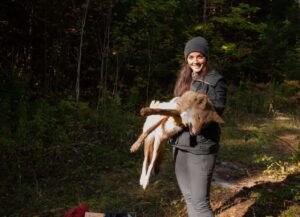
DROGHEI SARAH
PhD student in Ecology and Sustainable Management of Environmental Resources
Cicle: XLI
Supervisors: David Costantini (UniTus), Francesca Cagnacci (FEM*), Andrea Corradini (FEM*)
*Fondazione Edmund Mach
Thesis title: Large carnivores recolonization: a multidisciplinary approach
Email: sarah.droghei@unitus.it
Curriculum Vitae
Keywords: Large carnivores, movement ecology, behavioural ecology, conservation physiology
Personal profile and research interests
I’m an ecobiologist specializing in wildlife conservation and management. Since my graduation, I have dedicated my research to large carnivores, with a master’s thesis on wolf habitat selection.
Further collaborations led me to study wolf diet and hunting strategies in Canada and den selection in Scandinavia. I am currently a PhD candidate studying large carnivore recolonization processes, with a primary focus on brown bears. My research adopts a multidisciplinary approach, integrating movement ecology and stress physiology to investigate how anthropogenic disturbance influences animal behaviour, spatial ecology, and physiological responses. More broadly, I am interested in understanding how wildlife can persist and recover in increasingly human-modified environments to support evidence-based conservation and management strategies.PhD project
Large carnivores are key components of ecosystems, but their recovery and recolonization in human-dominated landscapes increasingly expose them to anthropogenic disturbance, potentially affecting their behaviour, spatial ecology, and physiology. Understanding how these species adapt to human pressures is essential for developing effective conservation strategies. My PhD project focuses on the recolonization of large carnivores, using the brown bear (Ursus arctos) as a model species. The research adopts a multidisciplinary approach integrating movement ecology and stress physiology. In particular, the project investigates how human disturbance influences bear movement patterns and space use, as well as the physiological stress response mediated by glucocorticoid production and fitness.
By linking behavioural and physiological responses to environmental and anthropogenic factors, this research aims to improve our understanding of how large carnivores persist and expand in human-modified landscapes.Publications