- Online Attendance
- Online Payslips
- Join Unitus
- Course catalogue
- First cycle degree
- Communication, Technologies and Digital Culture
- Seed Production and Nursery Management
- Gastronomic and Welness Sciences, Culture and Politics
- Human Sciences
- Heritage Studies
- Modern Languages and Cultures
- Technologies for the sustainable management of livestock systems (LP-02_Livestock sector)
- Food and Wine Technology
- Scienze Naturali e Ambientali
- Sustainable management of forests and green spaces
- Economics of Innovation
- Biotechnologies
- Biological Sciences
- Design
- Landscape, Environmental Planning and Design
- Technologies for Green Buildings
- Industrial Engineering
- Business Economics
- Sport, Wellness, and Exercise in Natural Environments
- Agriculture and Environmental Sciences
- Environmental Biological Sciences
- Mountain Sciences
- Forestry and Environmental Sciences
- Natural and Environmental Sciences
- Political Science and International Relations
- Educational Sciences
- Educational Offer for Public Administration
- Second cycle degree
- Digital Information
- Economia Aziendale
- Circular Economy
- Digital Management of Agriculture and Mountain Areas LM69
- Digital Management of Agriculture and Mountain Areas LM73
- Management, Finance and Controlling
- Marketing and Quality
- Political Science, International Security Studies and Public Communication
- Mechanical Engineering
- Landscape Architecture
- Management of Gastronomic Sciences for Well-being
- Marine Biology and Ecology
- Experimental Biology and Bioinfomatics
- Agricultural and Environmental Sciences – MS
- Industrial Biotechnology for health and well-being
- Food Science and Human Nutrition
- Plant biotechnology for food and global health
- Conservation and Restoration of the Environment and Forest
- Forestry and Environmental Sciences
- Food Science and Technology
- Archaeology and Art History: Preservation and Enhancement
- Archaeology and Art History: Preservation and Enhancement LM89
- Modern Philology
- Languages and Cultures for International Communication
- Security and Human Rights
- Economics and Communication for Management and Innovation
- Single cycle degree
- First cycle degree
- University
- Our history
- Unitus Academy
- Professors
- University Organs
- Rector and Delegates
- Academic Senate
- Board of Directors
- Evaluation Unit
- University Quality Committee
- General Director
- The University Scientific Research Commission
- The Board of Auditors
- Comitato Unico di Garanzia
- Collegio di Disciplina
- Commissione Etica
- Student Consultative Committee
- University Sports Committee
- Student Representatives
- Establishment of University Organs - Elections
- Strategic Management Planning Documents
- The University Quality Assurance System
- Facilities and Services
- Locations and Campuses
- Services and Offices
- Information Technology and Telecommunications Service
- Rettore
- Legal Affairs and Negotiation Procedures Service
- General director
- Management Planning and Control Service
- Technical and Environmental Management Service
- Technical Service, Assets, Facilities, and Services
- Service for Employee Financial Benefits
- Human Resources Service
- Research, Technology Transfer, and Relations with Institution
- Accounting and Treasury Service
- Educational Offer and Student Services
- The University Integrated Centre - Cia
- Central Administration Organigram
- University Regulation
- Staff
- Atheneum Welfare
- Permessi
- Conventions
- Staff - Annual Cost
- Organizational Wellness
- Bandi di concorso e procedure selettive - Personale Tecnico-Amministrativo
- Registry Consultants and Employees
- Telelavoro
- Online Attendance - Circulars and Forms
- Training for Technical-Administrative Staff
- Trade Unions
- Servizi di Rete - VPN
- University Notice Board - Announcements
- Calls for Teachers
- External collaborations
- External Collaborations - CIA
- External Collaborations - Azienda Agraria
- CSALP External Collaborations
- CIRDER External Collaborations
- CINTEST External Collaborations
- CGA External Collaborations
- DAFNE External Collaborations
- DEB External Collaborations
- DEIM External collaborations
- DIBAF External collaborations
- DISUCOM External Collaborations
- DISTU External collaborations
- Calls for Scholarships
- Calls for PhDs
- Bandi Assegni di Ricerca
- Tenders for External Assignments
- Internal Assignments - Collaboration Requests
- Announcements for Technical-Administrative Staff Positions
- External Mobility - Notices from other Universities
- Official University Register - Regulatory Acts
- Albo Ufficiale d'Ateneo - RSU Elections
- International Ranking
- Cooperations
- Contacts and Certified e-mail
- Visual Identity
- Privacy
- Contact Directory
- Legal Notice
- Academics
- Academic Calendar
- Lessons timetable
- Recovering the Additional Formative Obligations (OFA)
- Services for students
- Student Associations
- Wi-fi
- Accommodation
- APP Studenti Unitus
- Calls for Students and Graduates
- Psychological Counselor
- LazioDISCO
- Student House and Canteen
- University Sports Center C.U.S.
- Unitus Email
- Tutoring Grants
- Supporto e Inclusione
- Student Advocate
- Certifications and Self-certifications
- Anti-Violence Center
- Urban gardens
- Insurance coverage
- Office 365
- GOMP Portal
- Changing course of study within the University
- Changing course of study within the University
- Didactic Laboratories
- Elective Learning Activities (AFS) Regulations
- Guide to Compiling Your Study Plan
- Moodle
- Student Portal
- Change of Study Program
- Suspend Academic Career
- Get Back to Studying
- Fees and contributions
- Forms
- Recognized Language Certifications
- Enrolment in subsequent years
- Part-time Students
- Internships
- Final Exam
- Placement
- Research
- Research and Innovation
- Research opportunities
- Servizi per il Personale di Ricerca
- Progetti di Ricerca
- PERCIVAL
- Progetto LIMONE
- EUROlakes Project
- TRUST Project
- Advanced analytical
- DISTINCT
- SPICE
- BIOTE(A)CH
- HARNESSTOM
- PRISMA4AFRICA
- BIOACTAM
- GREAT
- CASTANEOTURISMO
- IMPEACHMENT
- FILAGRU
- MASTER NUT
- LazioTom
- NEUTRALISE
- MULTIFRU
- PanWheatGrain
- TORBOCIP
- RECIPE
- SEMINARI IN TECNICHE APISTICHE
- RESYST
- ANCoSIC
- ROOTOLEA
- GRAEEN
- SO-LIVE
- INGECA
- TEHRA
- EnPiVeg
- NBFC
- ATENA
- MICROBIALIENI
- CIN-EAT
- CIRCE
- CON.LE.VIT
- CRITERIA
- CONSERVA
- INNOSHEEP
- MO-RES
- PCDBIO
- SheepMeat
- RECREO
- TETHYS PLUS
- Compact Tractor 4.0
- SUS-RISK
- OldButGold
- AGRITECH
- INTEGRI
- Modelli innovativi per applicazioni di scienze omiche avanzate
- MEDWHEALTH
- MILKEVIA
- TecBufala
- Progetto HARNESSTOM
- SMARTIES
- IMPRESA
- SOSVitEno
- EXPLOWHEAT
- BIOACT
- StarBirVino
- FERTI & GROW ACADEMY project
- WINERYFARMIN4.0
- GREENHORT
- GEOSCIENCES-IR
- SISSA3EFG
- CON.API.VIT
- EMERSCUT-CAR
- FORVECARDO
- OLIVIA
- SonninoNutraOil
- EyeLand
- TarHegh
- SUNRISE
- PROGNOSES
- Progetto MOSSA
- Progetto ORTE_CHOKE
- Progetto STABIRVINO
- Progetto ECOSUN
- Progetto EVER
- Progetto MAGNETOAGRI
- Progetto RE-WASTE
- Progetto RIVALSA
- Progetto RAISE
- Progetto CELO
- Progetto LEG-GER
- Progetto NANOPEPTOBAT
- Progetto MICOVIT
- Progetto BIOCHAR LATIUM
- Progetto TANA
- Progetto TECBUFALA
- Progetto BIOEDILCARBON
- Progetto MULTIFRU
- Progetto LAV.REG.LA
- Progetto OLIVIA
- Progetto PICUS
- Progetto AGARIC
- Progetto BIOPLAST
- Progetto CABIOED
- Progetto CINEAT
- Progetto EMESCCUT
- Progetto FELICEBIOTEVERE
- Progetto FORVECARDO
- Progetto GECORESP
- Progetto GRANLDEA TUSCIA
- Progetto INNONUTS
- Progetto INOSHEEP
- Progetto INVITENNET
- Progetto PCDBIO
- Progetto RUEWO
- Progetto SOLANUM 4G
- Progetto SOS VITENO
- VOISIN
- Progetto ZUCCHINO LASER
- Progetto SINBIO
- Progetto PARADISE
- Progetto GRANO GREEN
- Progetto ENVIOT
- Progetto: “RE.LA.C.S.”
- Progetto ALPHEUS
- Progetto CCVS
- Progetto CERESIS
- Progetto DIVERFARMING
- Progetto ENVRI-FAIR
- Progetto ECOBREED
- Progetto INNOVAFRICA
- Progetto INNOVAR
- Progetto LOWINFOOD
- Progetto RESEARCH
- Progetto PROTECTA
- Progetto STABLE
- Progetto SURE-FARM
- Progetto FOLIAGE
- Progetto MYSOIL
- Progetto SAMFIX
- Progetto SEEDFORCE
- Progetto SEAFOREST
- WINEgROVER
- Progetto Giustizia AGILE
- Patents
- Procedimento e dispositivo per rilevare condizioni di marcia durante la marcia
- Purovino
- Chitinolytic enzymes production by Penicillium janthinellus
- Disidratatore dinamico per ortofrutticoli basato su tecnologia IoT
- Sun Black™
- Varietà di carciofo (Cynara scolymus L.) denominate Donatello
- Italian Red Passion
- Varietà di carciofo (Cynara scolymus L.) denominate Raffaello
- Solenero
- Spin-Off
- Pubblicazioni Open Archive
- Talent Valorization and Attraction
- Call for Research Grants – SeedTalent
- Call for Expression of Interest (EOI) 2022
- Unitus Talent
- Call for visting scholars & professors
- Direct Call of Associate and Full Professor
- ERC Starting Grantees
- ERC Consolidator Grantees
- ERC Advanced Grantees
- Marie Sklodowska-Curie Actions
- Rita Levi Montalcini Grantees
- Distinguished Chiara Fama
- Expression of interest
- VQR - Research Quality Evaluation
- Department of Excellence
- Third Mission
- Post-graduation
- PhD opportunities
- Ongoing PhD Programs
- European and global markets law. Crisis, rights, regulation
- Economics, Management, and Quantitative Methods
- Engineering for Energy and Environment
- Ecology and sustainable management of environmental resources
- Science, technology and biotechnology for sustainability
- Plant and animal sciences
- History and cultural heritage
- Society in change: policies, rights and security
- Phd Admission
- PhD Regulations
- Doctoral Diplomas
- PhD International Mobility
- Forms for Doctoral Student Activities
- Doctoral Scholarships
- Budget for PhD Students research activities
- Periods of study and research stay
- Scholarship increase for stays abroad
- Ongoing PhD Programs
- Master's Degrees
- Unitus for Teaching
- Research Fellowship
- Postgraduate Scholarships
- Licensing of Professions
- Postgraduate Schools
- Advanced Training Courses
- Postgraduate Regulations
- PhD opportunities
- Departments
- DAFNE
- Information
- Quality Assurance
- Academics
- Education Offer
- How to enrol for degree courses
- Bachelor's degree and Master's degree DAFNE
- Class Calendar
- Exams and Graduate Theses
- Awards and Scholarships
- Master's Degrees - Pre-enrolment Application and Calendar of Interviews
- Tutoring Service
- Additional Educational Requirements
- Educational Workshops
- Curricular Internships and Other Choice Activities
- Research
- Social Impact
- International
- Orientation
- DEIM
- DEB
- DIBAF
- DIKE
- DISTU
- DISUCOM
- DAFNE
- International
- Profile
- Amministrazione Trasparente
- General Provisions
- Organizzazione
- Consulenti e collaboratori
- Personale
- Titoli di incarichi dirigenziali amministrativi di vertice
- Titoli di incarichi dirigenziali (dirigenti non generali)
- Dirigenti cessati
- Sanzioni per mancata comunicazione dei dati
- Posizioni organizzative
- Dotazione organica
- Personale non a tempo indeterminato
- Tassi di assenza
- Incarichi conferiti e autorizzati ai dipendenti (dirigenti e non dirigenti)
- Contrattazione collettiva
- Contrattazione integrativa
- Bandi di concorso
- Personale
- Performance
- Enti Controllati
- Attività e procedimenti
- Provvedimenti
- Bandi di gara e contratti
- Atti delle amministrazioni aggiudicatrici e degli enti aggiudicatari distintamente per ogni procedura
- Avviso sui risultati della procedura di affidamento diretto
- Avvisi relativi agli esiti delle procedure
- Trasparenza nella partecipazione di portatori di interessi e dibattito pubblico
- Procedure negoziate afferenti agli investimenti pubblici
- Verbali delle commissioni di gara
- Collegi consultivi tecnici
- Pari opportunità ed inclusione lavorativa nei contratti pubblici
- Fase esecutiva
- Concessioni e partenariato pubblico privato
- Affidamenti diretti di lavori, servizi e forniture di somma urgenza
- Affidamenti in house
- Elenchi di operatori economici riconosciuti e certificazioni
- Progetti di investimento pubblico
- Avvisi di preinformazione
- Delibera a contrarre
- Avvisi e Bandi
- Avvisi sui risultati della procedura di affidamento
- Avvisi sistema di qualificazione
- Affidamenti per somma urgenza
- Ulteriori informazioni
- Provvedimenti di esclusione e di ammissione
- Contratti
- Resoconti della gestione finanziaria dei contratti al termine dell'esecuzione
- Informazioni sulle singole procedure
- Informazioni sulle singole procedure in formato tabellare
- Polizze assicurative
- Atti delle amministrazioni aggiudicatrici e degli enti aggiudicatari distintamente per ogni procedura
- Sovvenzioni, contributi, sussidi, vantaggi economici
- Bilanci
- Beni immobili e gestione patrimonio
- Controlli e rilievi sull'amministrazione
- Servizi Erogati
- Pagamenti dell'amministrazione
- Opere pubbliche
- Pianificazione e governo del territorio
- Informazioni ambientali
- Strutture sanitarie private accreditate
- Interventi straordinari e di emergenza
- <a href="https://www.unitus.it/ricerca/progetti-pnrr/">Risultati PNRR</a>
- Altri contenuti
- Prevenzione della Corruzione
- Responsabile della prevenzione della corruzione e della trasparenza
- Regolamenti per la prevenzione e la repressione della corruzione e illegalità
- Relazione Responsabile della prevenzione della corruzione e della trasparenza
- Provvedimenti adottati dall'A.N.AC. ed atti di adeguamento a tali provvedimenti
- Atti di accertamento delle violazioni
- Segnalazioni di illecito – Whistleblowing
- Accesso civico
- Accessibilità e Catalogo di dati, metadati e banche dati
- Dati ulteriori
- Prevenzione della Corruzione
Home University Facilities and Services The University Integrated Centre – Cia Museums Network of Tuscia University Museums and Collections Italian National Museum of Antarctica “Felice Ippolito” – Section of Mycology
- Our history
- Professors
- Unitus Academy
- Strategic Management Planning Documents
- University Organs
- Rector and Delegates
- Academic Senate
- Board of Directors
- Evaluation Unit
- University Quality Committee
- General Director
- The University Scientific Research Commission
- The Board of Auditors
- Comitato Unico di Garanzia
- Disciplinary Board
- Ethics Committee
- Student Consultative Committee
- University Sports Committee
- Student Representatives
- Establishment of University Organs – Elections
- The University Quality Assurance System
- Quality Assurance System
- Actors of the Quality Assurance
- System Documents
- Governance system documents
- Guidelines – Procedures e Operating instructions
- AVA System documents
- SUA-CDS
- Annual Monitoring Forms
- Cyclical Review Reports
- Reports of Joint Teaching Staff-Student Committee
- Document concerning the initial draft of PhD programme design
- Documents of planning and organization of the training and research activities
- Documenti di analisi dei risultati relativi agli indicatori ANVUR
- Documenti di analisi dei risultati della compilazione dei questionari sulle opinioni dei dottorandi e dei dottori di ricerca
- Schede SUA-RD/TM
- Anvur university evaluation documentation
- Regulation and Reference Documents
- Data and Statistics
- Training and Events
- Facilities and Services
- Locations and Campuses
- Services and Offices
- Information Technology and Telecommunications Service
- Rettore
- Legal Affairs and Negotiation Procedures Service
- General director
- Management Planning and Control Service
- Technical and Environmental Management Service
- Technical Service, Assets, Facilities, and Services
- Service for Employee Financial Benefits
- Human Resources Service
- Research, Technology Transfer, and Relations with Institution
- Accounting and Treasury Service
- Educational Offer and Student Services
- The University Integrated Centre – Cia
- Labform
- University Language Centre – CLA
- Botanic Garden “Angelo Rambelli”
- Alpine Studies Center – CSALP
- Centro Grandi Attrezzature (CGA)
- University Library System
- CIRDER
- CINTEST
- Museums Network of Tuscia University
- Museums and Collections
- Mineral Collection
- Tuscia Herbarium
- Italian National Museum of Antarctica “Felice Ippolito” – Section of Mycology
- The Comparative Anatomy and Zoology Collection
- Entomology Collection
- Tuscia Germoplasm Bank
- Xylarium
- The Museum of Vetralla
- Network of the University’s monumental complexes
- Tuscia’s contemporary art network
- Ancient Colored Marbles Collection
- Freshwater and Soil Invertebrates Collection
- DAFNE Department Collections
- Contatti
- Teaching activities
- Regolamento
- Organizational chart SMA
- Our museums
- Museums and Collections
- Prevention and Protection Service – SPP
- LABCOM
- Central Administration Organigram
- University Regulation
- Staff
- University Notice Board – Announcements
- Calls for Teachers
- External collaborations
- Calls for Scholarships
- Calls for PhDs
- Bandi Assegni di Ricerca
- Tenders for External Assignments
- Internal Assignments – Collaboration Requests
- Announcements for Technical-Administrative Staff Positions
- External Mobility – Notices from other Universities
- Official University Register – Regulatory Acts
- Albo Ufficiale d’Ateneo – RSU Elections
- International Ranking
- Cooperations
- Contacts and Certified e-mail
- Visual Identity
- Privacy
- Contact Directory
- Legal Notice




<
>
ITALIAN NATIONAL MUSEUM OF ANTARCTICA “Felice Ippolito” – SECTION OF MYCOLOGY
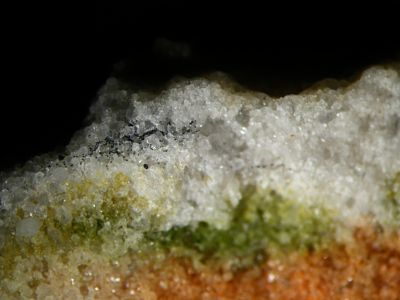
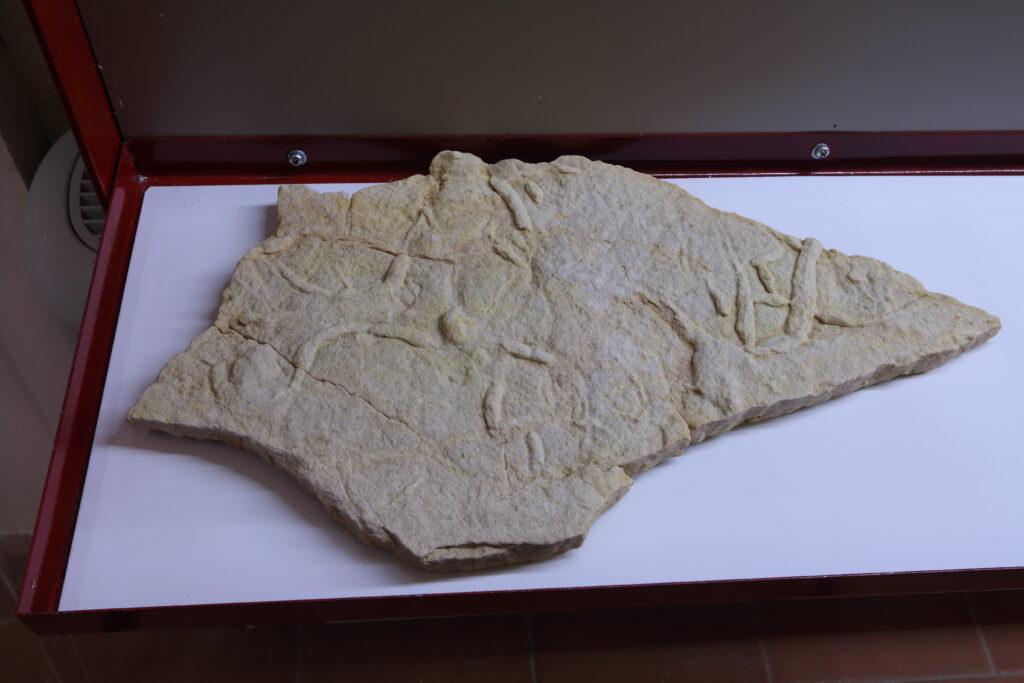
The Mycological Section of the Italian National Museum of Antarctica was established in 2006; it includes a collection of rocks hosting microbial communities and a fungal culture collection (CCFEE, Culture Collection of Fungi From Extreme Environments). The collection is maintained in the Laboratory of Systematic Botany and Mycology, Department of Ecological and Biological Sciences (DEB), University of Tuscia, Viterbo (I). This collection, unique in the world, was established in the late ’80s as a result of mycological researches carried out in Antarctica in the framework of PNRA (National Program for Research in Antarctica). The collection includes fungal strains isolated from different samples collected over more than 20 years of Italian expeditions in Antarctica and many strains donated in 2000 by I.E. Friedmann (Florida State University), the discoverer of endolithic life in deserts.
The Antarctic fungal strains of the collection have been isolated from different substrates such as soil, mosses, lichens and, especially, rocks colonized by communities of cryptoendolithic (growing inside the rock) fungi and lichens. Moreover, isolations are made also on a wide selection of rock samples collected in the driest cold and hot areas worldwide (eg. Indian Himalayas, Andes, Alps, Bolivian Salaar, Australian and Algerian deserts) kindly supplied by mountain climbers, guides and travelers. At present the collection includes about 1000 fungal strains; yet, the number is increasing because of the current new isolations ??andthanks to collaborations and exchanges with other research centers and both Italian and foreign universities.
The CCFEE hosts filamentous fungi, yeasts and black meristematic fungi; the latter, due to their strong melanization, as well as peculiar morphological and physiological adaptations, are capable to tolerate extremes?? of temperature, radiation and osmotic stress. Because of the poor differentiation their Systematics must be approached with molecular techniques. All data related to the collection are cataloged in an Access database.
The activities of the Section include:
1) storage at -20 ° C of rocks in sterile sampling bags, properly labeled;
2) isolation, classification (morphological and molecular) of fungi preserved in the collection;
3) preservation of microfungi both on agar slants and frozen (-80 ° C); yeasts are also freeze-dried;
Several studies are promoted by the collection among which researches concerning “biodiversity and evolution” and “adaptation and survival”. In particular, meristematic black fungi are investigated with molecular approaches based on ITS, LSU, SSU rDNA nuclear and mitochondrial rDNA mtSSU genes to clarify their phylogeny. These studies led to the description of six new genera and eleven new species to date and have also shed light on the evolutionary processes for adaptation in extreme conditions. In addition, in the framework of the LIFE program (Lichens and Fungi Experiment), it was proved the capacity of these organisms to survive both simulated and actual space conditions over a period of 1.5 years outside the International Space Station (ISS). Survival was tested with cultural methods, colorimetric tests and PCR techniques. The results of this experiment contributed to clarify the possibility of interplanetary transfer of life.
Scientific responsible of the Thematic Section is Dr. Laura Selbmann. At the moment there is no exhibition area, but the collections are visited on request.
Tel. 0761 357012